

Modern vs Traditional Freestanding Baths: Which Is Right for You?
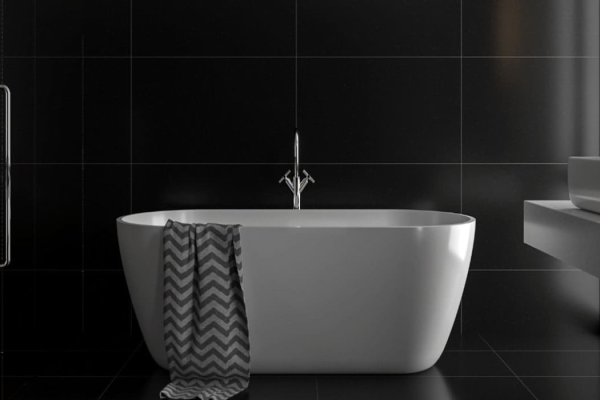
Freestanding baths have become one of the most desirable features in modern UK bathrooms. What was once seen only in grand Victorian homes is now a central design element in contemporary apartments, luxury developments, and spa-style renovations. Choosing between a modern freestanding bath and a traditional freestanding bath is not simply a matter of taste. It affects how your bathroom looks, how it functions, how easy it is to maintain, and how much long-term value it adds to your home.
Research from Houzz UK shows that over 60 per cent of homeowners who renovate their bathroom now prioritise statement bathtubs over built-in models, proving that freestanding baths are not a passing trend but a permanent design shift in the UK market.
Understanding Modern Freestanding Baths
What Defines a Modern Freestanding Bath?
A modern freestanding bath is built around simplicity, geometry, and refined form. These baths feature clean lines, smooth curves, and minimal detailing, making them ideal for contemporary interiors. They are usually made from advanced materials such as acrylic, stone resin, and solid surface composites, allowing them to be lighter in weight while still maintaining excellent durability and heat retention.
These materials also allow manufacturers to create deeper, more ergonomic soaking spaces inside the bath without increasing the external footprint. This means modern freestanding baths offer both visual elegance and physical comfort.
Architectural studies published by the Royal Institute of British Architects show that minimalist design improves perceived space and visual clarity, which explains why modern freestanding baths are now standard in high-end new builds and luxury renovations.
After understanding how modern freestanding baths are designed, it becomes easier to see why they dominate contemporary bathrooms.
Why Modern Baths Are Popular in Contemporary Homes
Modern freestanding baths integrate seamlessly into today’s bathroom layouts. They pair naturally with walk-in showers, floating vanities, concealed drainage systems, and floor-mounted or wall-mounted taps. Their neutral colour palettes and sculpted forms allow them to enhance the room without overpowering it.
Homebuyers are increasingly drawn to spa-style bathrooms. According to Ideal Home UK, properties with modern, spa-inspired bathrooms sell up to 12 percent faster than homes with dated bathroom designs. This makes modern freestanding baths not just a design choice but a smart property investment.
Modern freestanding baths also appeal to homeowners who want practical benefits along with visual appeal.
Some of the key reasons people choose modern freestanding baths include:
- Sleek, contemporary aesthetics
- Easier cleaning due to smooth surfaces
- Lightweight construction for simpler installation
- Deep, ergonomic soaking space
- Compatibility with modern tapware and drainage systems
Understanding Traditional Freestanding Baths
What Makes a Freestanding Bath Traditional?
Traditional freestanding baths are inspired by Victorian and Edwardian bathroom design. These baths feature rolled rims, curved profiles, and decorative bases such as claw feet or pedestal stands. They are designed to be visually rich and architecturally expressive.
Most traditional freestanding baths are crafted from cast iron, enamelled steel, or stone resin. These materials give the bath a substantial weight and exceptional longevity. According to Historic England’s building materials research, cast-iron baths often last more than 50 years when properly maintained.
Traditional baths are not designed to blend into the background. They are created to be the focal point of the bathroom.
Why Traditional Baths Remain Highly Desired
Despite modern trends, traditional freestanding baths remain extremely popular, especially in period homes and character properties. They bring a sense of heritage, charm, and timeless elegance that modern designs cannot replicate.
According to Heritage Homes UK, period-appropriate bathroom features can increase property desirability by up to 18 per cent in conservation areas and heritage homes. A traditional freestanding bath supports architectural authenticity while offering a luxurious bathing experience.
Homeowners continue to choose traditional baths because they deliver both visual impact and immersive comfort.
People who choose traditional freestanding baths often value:
- Classic Victorian and Edwardian styling
- Deep soaking depth
- Decorative claw feet or pedestal bases
- Long-lasting cast iron or enamel finishes
- A strong statement piece for the bathroom
Design Differences Between Modern and Traditional Freestanding Baths
Shape, Lines, and Visual Presence
Modern freestanding baths use smooth, flowing lines or sharp geometric forms that create visual balance. They feel calm, controlled, and refined. These designs allow the bathroom to feel larger, more open, and more harmonious.
Traditional freestanding baths are deliberately bold. Their curved rims, raised feet, and thick profiles make them stand out as the centrepiece of the room. According to interior design research published by Dwell Magazine, ornate shapes create visual warmth and character, while minimalist shapes enhance spatial clarity.
The shape of your bath directly affects the emotional tone of your bathroom.
How Each Style Shapes the Bathroom Atmosphere
A modern freestanding bath creates a spa-like environment that feels clean, relaxing, and uncluttered. It suits homes that focus on modern architecture, light, and simplicity.
A traditional freestanding bath creates a sense of luxury, nostalgia, and craftsmanship. It works best in homes that feature classic tiles, heritage fixtures, and traditional layouts.
The choice is not about which style is better, but which atmosphere you want to live with every day.
Material and Durability Comparison
Materials Used in Modern Freestanding Baths
Modern freestanding baths are typically made from acrylic, stone resin, or solid surface materials. These materials are designed to retain heat efficiently while being easy to clean and maintain.
Consumer testing by Which? UK shows that solid-surface baths can retain water temperature up to 30 per cent longer than standard acrylic tubs, making them more energy efficient for long soaks.
These materials also resist stains, scratches, and fading, which makes them ideal for long-term everyday use.
Materials Used in Traditional Freestanding Baths
Traditional freestanding baths are often made from cast iron or enamelled steel. These materials are extremely durable and excellent at retaining heat. Once warmed, a cast-iron bath holds heat for a long time, keeping bathwater warmer for longer periods.
Historic England reports that cast-iron baths can remain structurally sound for more than half a century, which is why many original Victorian tubs are still in use today.
Traditional baths may require reinforced flooring due to their weight, but they reward homeowners with unmatched durability and authenticity.
Comfort and Practicality
Soaking Experience and Body Support
Modern freestanding baths are designed with ergonomic contours. They support the back, neck, and legs in a reclined position, making them ideal for long, relaxing soaks. The interior shape is often deeper, allowing for full-body immersion.
Traditional freestanding baths usually provide a more upright soak. Their rolled edges support the shoulders and neck, giving a classic bathing posture that many people find comforting.
The British Bath Association confirms that deep soaking helps reduce muscle tension, improve circulation, and promote relaxation, regardless of style.
Cleaning and Everyday Maintenance
Modern freestanding baths are easier to clean because they have smooth, seamless surfaces and no decorative feet. Dirt and dust have fewer places to collect, which makes them ideal for busy households.
Traditional freestanding baths require more care. The space under the bath and around the feet must be cleaned regularly, and the ornate detailing may require gentle maintenance. For many homeowners, the added effort is worth the visual beauty they provide.
Which Is Right for Your Home?
Modern Homes and Contemporary Spaces
If your home has clean lines, modern architecture, and minimalist interiors, a modern freestanding bath will fit naturally. It offers practical installation, easy cleaning, and a spa-like feel that matches contemporary living.
Period Homes and Character Properties
If your home features heritage architecture, decorative tiling, or classic design, a traditional freestanding bath will enhance its character. It adds authenticity, luxury, and long-term value while creating a striking visual centrepiece.
Many homeowners find that the style of their property is the best guide when choosing between modern and traditional freestanding baths.
Why Homeowners Choose Snaan for Freestanding Baths
Snaan is trusted across the UK for delivering premium freestanding baths that combine design excellence with engineering quality. Whether you are looking for a sleek modern freestanding bath or a beautifully crafted traditional roll-top bath, Snaan offers collections that meet both aesthetic and performance expectations.
Every Snaan bath is built to British plumbing standards and designed for long-term reliability, comfort, and visual appeal. This ensures that your bathroom investment continues to perform beautifully for years to come.
Final Thoughts
Choosing between a modern vs traditional freestanding bath is about more than design trends. It is about how you want your bathroom to feel, function, and reflect your lifestyle. A modern freestanding bath delivers simplicity, ease, and spa-like calm. A traditional freestanding bath offers heritage, elegance, and a sense of timeless luxury.
When you select the right style for your home, your bath becomes more than a fixture. It becomes the heart of your bathroom.
Posted 7 months ago
by Xander Kennedy